
Mechanics · Combat
Gothic 1 Remake Combat: The Close-Combat Flow (and Why It Feels Hard)
Gothic 1 Remake combat is timing-based melee with four directional attacks and no stamina bar. You start weak on purpose, so the opening hours are less about damage and more about the close-combat flow of a fight — reading swings, dodging heavy blows and knowing which enemies to leave alone. The two tools below answer both halves: what to do in the moment, and what you can safely fight.
Interactive tool
Close combat flow: what do I do now?
An enemy winds up a heavy attack
A read on each moment of a close-combat fight, not frame data — every call comes from the verified mechanics below, and walking away is always an option.
Interactive tool
Can I fight this yet?
A rough early-game threat ladder, not a bestiary — read each fight on its own and remember that walking away is always an option.
This is the early-game shortlist. For every creature’s HP, XP and trophy in one sortable table, see the full Gothic 1 Remake bestiary.
The 30-second verdict
Gothic 1 Remake combat in 30 seconds
Everything the Gothic 1 Remake combat flow really is, before the full breakdown below — how it works, why it feels hard, how to stay alive, and how you get stronger.
The honest part
Why Gothic 1 Remake combat feels unfair at first
It is not just you — and it is not quite broken either. The opening hours are a deliberately steep learning curve.
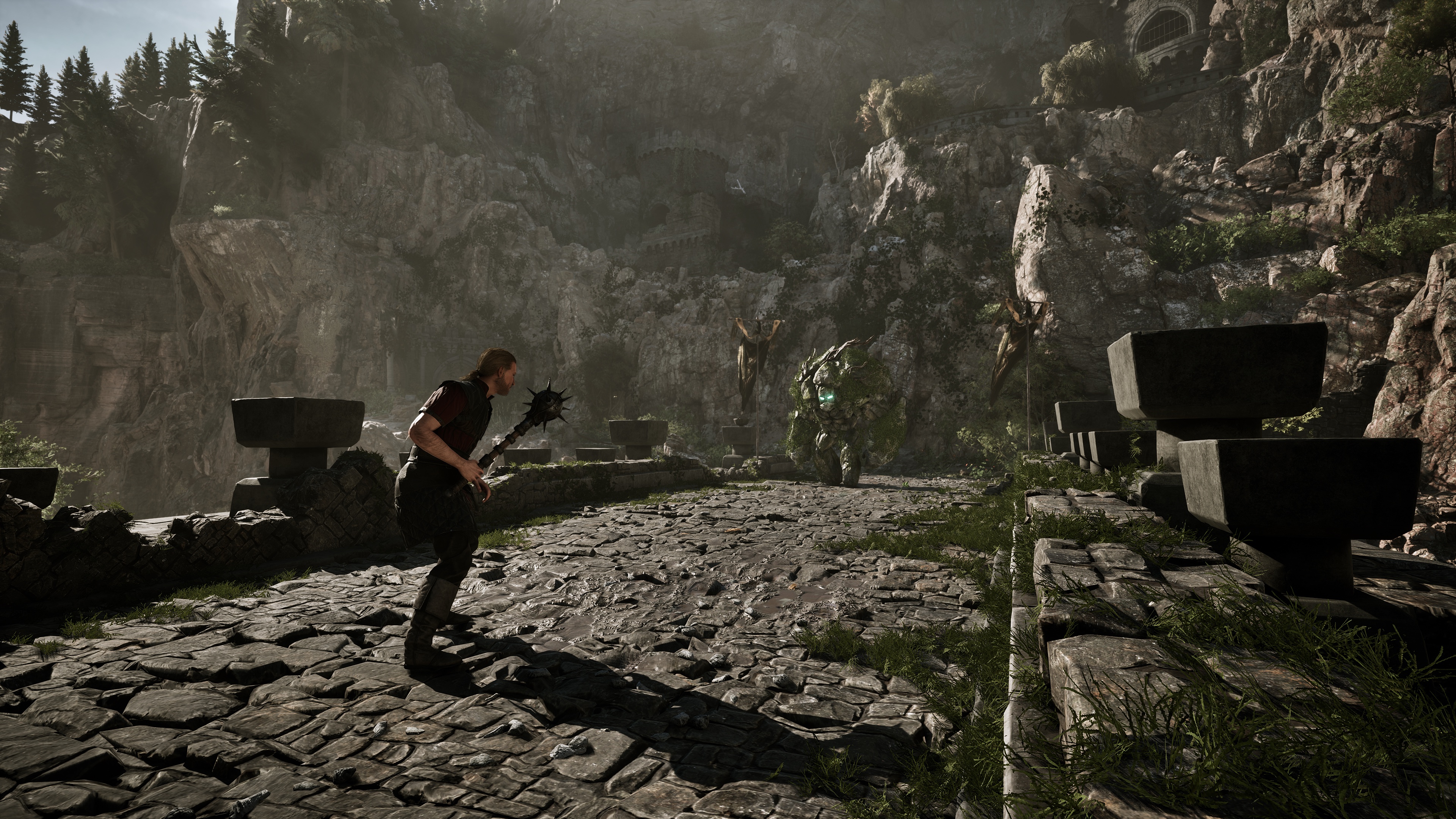
Like the 2001 original, the remake makes you start weak on purpose. A fresh prisoner is fragile, your swings are slow, and most creatures can kill you in a couple of hits. The one rule that governs everything is the recovery window: there is no stamina bar, so the punishment for a missed or blocked attack is the moment you stand frozen afterward while the enemy swings back. If you are brand new to the colony, our Gothic 1 Remake tipscover the do’s and don’ts before you swing a sword.
That is also why Gothic 1 Remake combat divides players. Some find the melee sluggish and the dodge inconsistent; others read the same weight and commitment as old-school design. The developers have said they are watching feedback. Our take is simpler: treat the first hours as a learning curve, not a verdict — once you respect the recovery window and stop fighting everything you see, it opens up fast. How punishing that curve feels is set before you swing a sword, by the Gothic 1 Remake difficulty you lock in at the start.
The mechanic
How attacks, blocking and dodging work in close combat
Once you understand the recovery window and your two defensive tools, every fight in the Gothic 1 Remake close-combat flow plays by the same rules.
Attacks are split across four directional inputs — left, right, up and down. Early on the direction matters far less than the timing: swing in short, deliberate bursts rather than mashing, because every whiffed or blocked hit leaves you stuck in recovery. Blocking significantly reduces incoming damage but never fully negates it, so you still take chip damage when you turtle.
Dodging is the bigger payoff. A dodge timed to an enemy’s wind-up appears to grant a brief window of invincibility that avoids the blow entirely. Single source Players report the timing is finicky and does not always fire, so lean on block to survive when cornered, and save the dodge for the heavy attacks you can read. Once your One-Handed Combat is Trained, that same block input can become a Gothic 1 Remake parry — a timed block that fully negates the hit and staggers the enemy for a free riposte.
Pick your fights
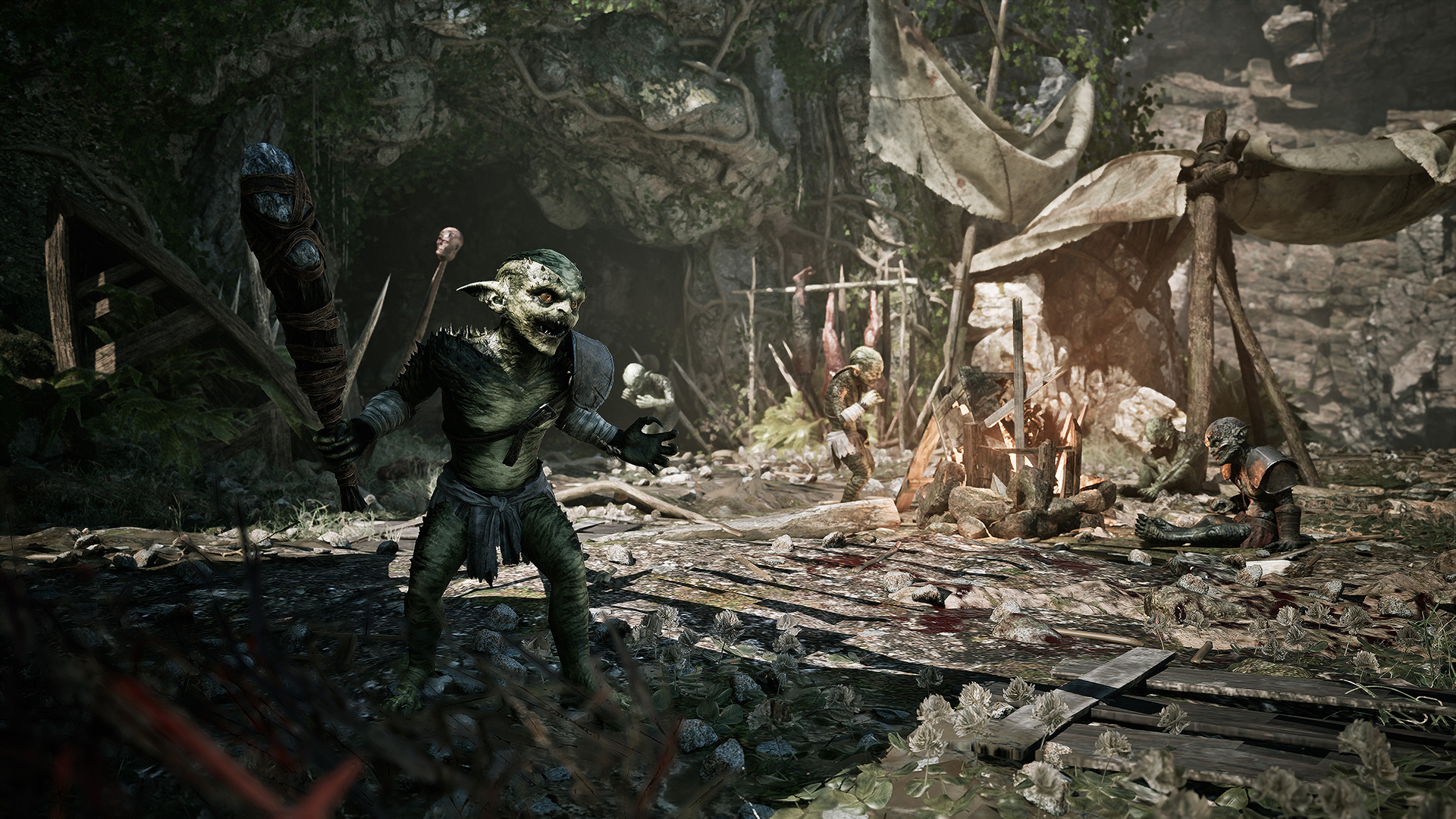
Gothic's open world never promises a fair fight. Learn the timing on young scavengers and molerats, and walk away from wolves and bloodflies until you have trained — walking away is a strategy, not a failure.
Respect the recovery window
With no stamina meter, the punishment for a whiffed or blocked swing is the freeze right after it. Attack in short, deliberate bursts instead of a panic of clicks, and you will get hit far less.
Block to survive, dodge to win
Hold block to bleed off damage when you are cornered, but remember it never fully negates a hit. A dodge timed to a heavy attack can avoid the damage outright — it is the bigger payoff once you read the wind-up.
Fight one at a time
Groups are where unprepared runs die. Pull a single enemy, then back into a doorway, corner or narrow path so only one can reach you. Controlling how many can swing at once matters more than raw damage.
Train mastery, then stats
Spend learning points on weapon mastery before raw attributes. The cleaner animations, faster recovery and new combos it unlocks change fights more than a few points of damage do this early.
The biggest killer
Fighting groups: pull, funnel, retreat
The number-one way new runs end is taking on more than one enemy at once. You almost never have to.
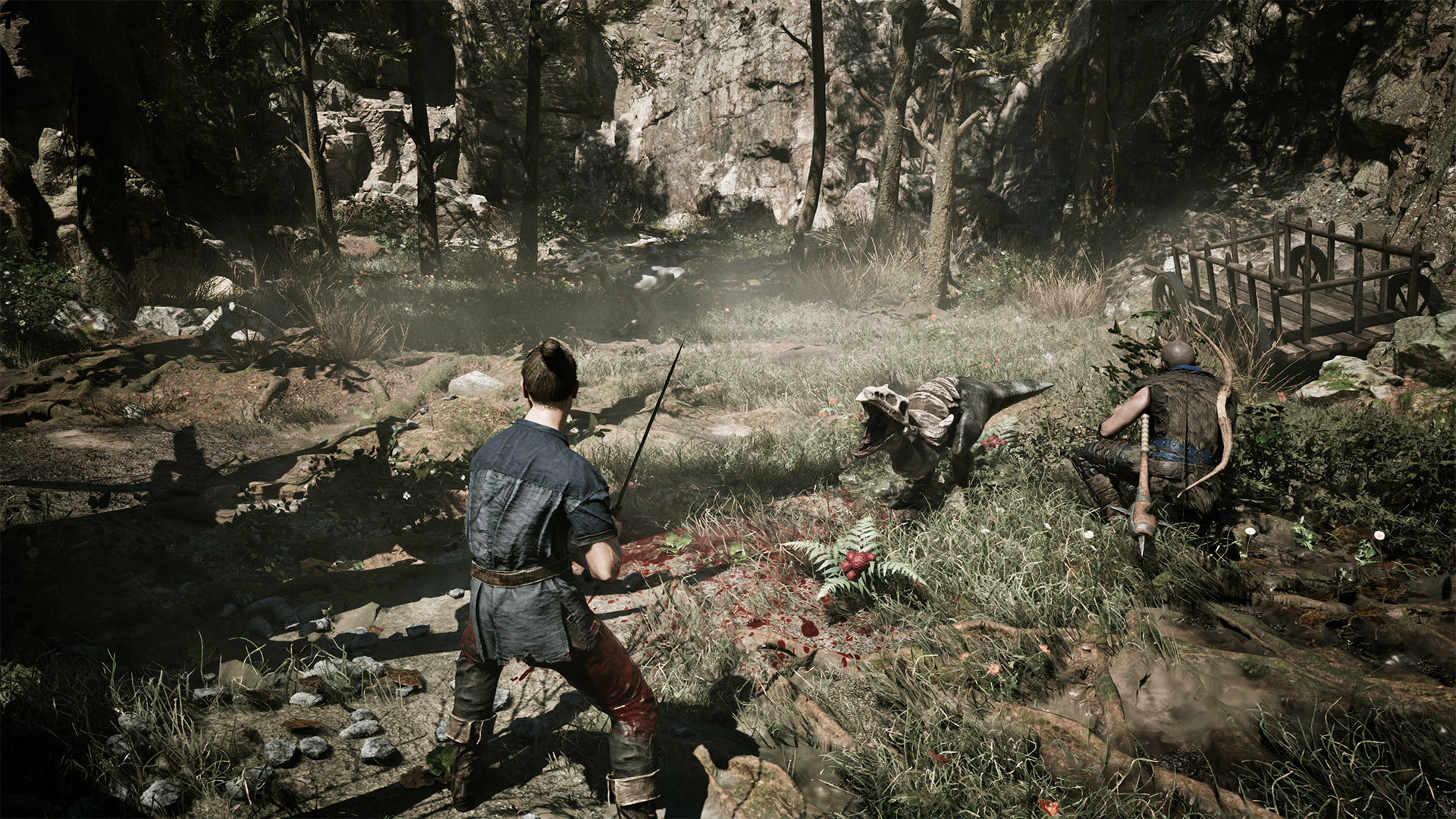
There is no way to block several attackers at once in Gothic 1 Remake combat, so a flock of scavengers or a wolf pack will shred you in the open. The fix is positioning. Pull a single enemy with a ranged poke or by stepping into its aggro range, then back into a doorway, a corner or a narrow path so only one can reach you at a time.
And remember the colony does not promise every visible enemy is a fair fight. Walking away is a legitimate strategy — come back when you have levels, a better weapon or trained mastery. If you are still finding your feet in the world itself, the Gothic 1 Remake guide home covers how the rest of the colony fits together.
Want a fair one-on-one to test all of this? The Old Camp’s ring gives you exactly that — the Gothic 1 Remake arena guide covers the Kirgo and Kharim bouts, what they pay and what losing costs.
One more survival lever that has nothing to do with swinging better: keep healing potions on you. The Gothic 1 Remake alchemy guide covers which potions you can brew versus only find, and the permanent elixirs worth saving for a hard fight.
Your toolkit
Weapons: sword, axe, mace or polearm
Each weapon family changes how your character commits to a swing — the choice genuinely shapes how you approach Gothic 1 Remake combat.
Swords are the balanced all-rounder, easy to adapt to most fights. Axes hit harder but feel heavier, with a long recovery that punishes a miss. Maces bring a blunt rhythm of their own. Polearms arrive with their own animation set built around long-range poke and stab attacks.
That reach is why polearms are widely called the strongest early pick — they keep enemies at a safer distance before your stats and mastery let you trade blows up close. Single source Treat it as a strong lead rather than settled fact, and match the weapon to how you want to plan your Gothic 1 Remake build. To see every named blade, axe and bow by the stat it needs, the Gothic 1 Remake weapons guide lists them with damage and where to find each one.
| Weapon | Feel | Recovery | Early game |
|---|---|---|---|
| Sword | Balanced, adaptable swing patterns | Moderate | Reliable all-rounder |
| Axe | Hits harder but heavier | Slow — long recovery if you miss | Punishing when you whiff |
| Mace | Blunt, a different rhythm again | Moderate to slow | Situational |
| Polearm | Long-range poke and stab | Moderate | Best early pick — reach keeps enemies at a safer distanceSingle source |
Weapon feel and recovery are confirmed across multiple guides; the “polearm is the best early pick” call is single-source while early-access opinions settle.
The single biggest upgrade
Mastery before stats
The fastest way to make Gothic 1 Remake combat feel better is not raw damage — it is training your weapon.
Weapon mastery comes in tiers, and each tier changes your attack animations, recovery speed and combo options. Spending learning points there does more for the opening hours than a handful of points in Strength or Dexterity, because faster recovery means fewer of those deadly frozen moments after a swing.
Once mastery is in place, pour points into the attribute your weapons scale with. How you budget those learning points across mastery, stats and skills is the heart of every Gothic 1 Remake build, and where you train depends on which faction you join — compare them in the Gothic 1 Remake camp guide.
The threat ladder
Which enemies to fight first
A rough early-game order of who to learn on and who to leave alone — the same data drives the threat check at the top of the page.
Behind the safer fights sit better weapons, armour and the loot in locked chests — so it pays to grow stronger before you push deeper. If a chest is in your way, the Gothic 1 Remake lockpicking guide shows how to crack it without burning every pick.
Quick answers
Gothic 1 Remake combat FAQ
How does Gothic 1 Remake combat work?
Gothic 1 Remake combat is timing-based melee with four directional attacks and no stamina bar. The penalty for a missed or blocked swing is the recovery window afterward, when you stand still and the enemy can punish you. Blocking reduces damage, a well-timed dodge can avoid a hit, and training weapon mastery matters more early than raw stats.
Why does Gothic 1 Remake combat feel so hard at first?
You start weak on purpose. Early on your character is fragile, recovery after each swing is long, and most creatures can kill a fresh prisoner quickly. Some players feel the melee is clunky and the dodge inconsistent; the developers have said they are watching feedback. Either way, the first hours are a learning curve — pick your fights, fight one enemy at a time, and Gothic 1 Remake combat opens up as you train.
How do you block and dodge in the Gothic 1 Remake?
Hold block to significantly reduce incoming damage — it never fully negates a hit, so you still take chip damage. A dodge timed to an enemy's wind-up appears to grant a brief window of invincibility that avoids the blow entirely, though players report the timing is finicky. Use block to survive when cornered and dodge to slip the heavy attacks you can read.
What is the best early weapon in the Gothic 1 Remake?
Many guides call polearms the strongest early pick because their long reach lets you poke and stab from a safer distance before your stats and mastery let you trade blows up close. Swords are the balanced all-rounder, axes hit harder but recover slowly, and maces bring a blunt rhythm of their own. The polearm recommendation is single-source, so treat it as a strong lead rather than settled fact.
How do you fight groups of enemies in the Gothic 1 Remake?
Don't. Pull one enemy at a time and back into a doorway, corner or narrow path so only one can reach you. Fighting a group in the open is where unprepared runs die, since there is no way to block several attackers at once. Terrain that funnels enemies into single file is your best tool until you out-level them.
Should you train weapon mastery or attributes first?
Mastery first. Training a weapon family upgrades your animations, recovery speed and combos, which changes fights more than a few points of Strength or Dexterity do in the opening hours. Once mastery is in place, pour learning points into the attribute your weapons scale with — see the Gothic 1 Remake build guide for how to budget those points.
Gothic 1 Remake Guide
Ready to win your first fights?
Gothic 1 Remake combat rewards patience: respect the recovery window, pull enemies one at a time, train weapon mastery early — then plan the rest of your run around the build and faction that fit your style.
Keep exploring